
Mieux s'alimenter


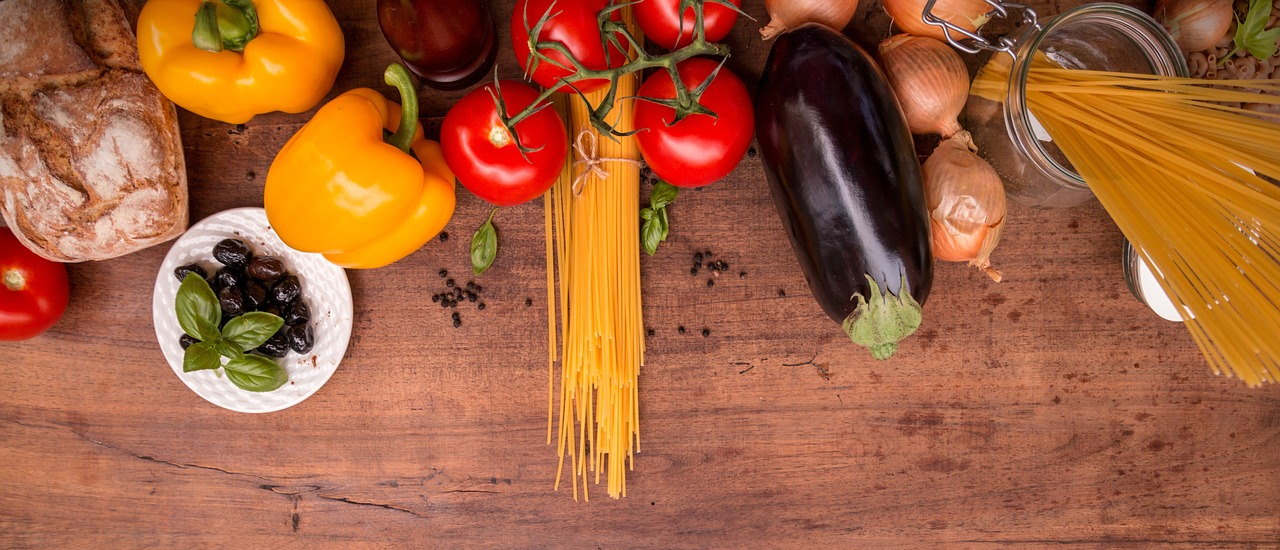
Pour une alimentation saine et équilibrée !

Si vous souhaitez rééquilibrer votre alimentation sans vous frustrer avec des régimes drastiques alors le smoothie brûle graisse est une bonne alternative. Dans cet article, nous avons sélectionné pour vous les meilleurs smoothies minceur. Ce sont les plus efficaces mais aussi les plus gourmands. Et oui, prendre soin de sa ligne peut aussi rimer avec gourmandise A la maison, vous pouvez profiter des bienfaits des fruits et des plantes brûle ...
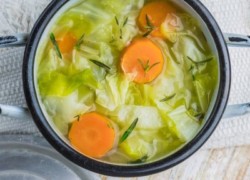
Vous avez très certainement déjà entendu parlé de la fameuse soupe au choux brûle graisse. Ce régime avait fait fureur pendant les années 80 et il est d'ailleurs toujours d'actualité parmi les plantes brûle graisse. On comprend pourquoi puisqu'il promet de faire perdre jusqu'à 7 kilos en une semaine simplement en mangeant du choux. De quoi attirer tous les fâchés du jogging ou ceux qui aiment avoir des résultats de façon immédiate. Cependant de ...
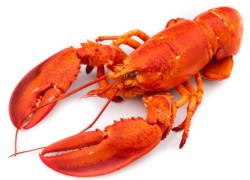
Le chitosan, qui est fabriqué à partir de la carapace des crustacés est un excellent coup de pouce naturel pour perdre du poids. En effet, il favorise la capture et la combustion des graisses, mais a aussi un effet coupe-faim. Dans cet article, je vous présente ses nombreux autres bienfaits, et la posologie à suivre pour en profiter. Mais aussi des conseils d'achat pour en trouver de qualité.
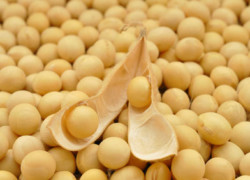
Découvrez les propriétés de la Lécithine de soja, un dérivé de l'huile de soja que l'on trouve dans la plupart des produits alimentaires transformés, dans les compléments alimentaires et dans de nombreux médicaments. Voici ses bienfaits et les risques qu'il y a à consommer cet additif.